Approach
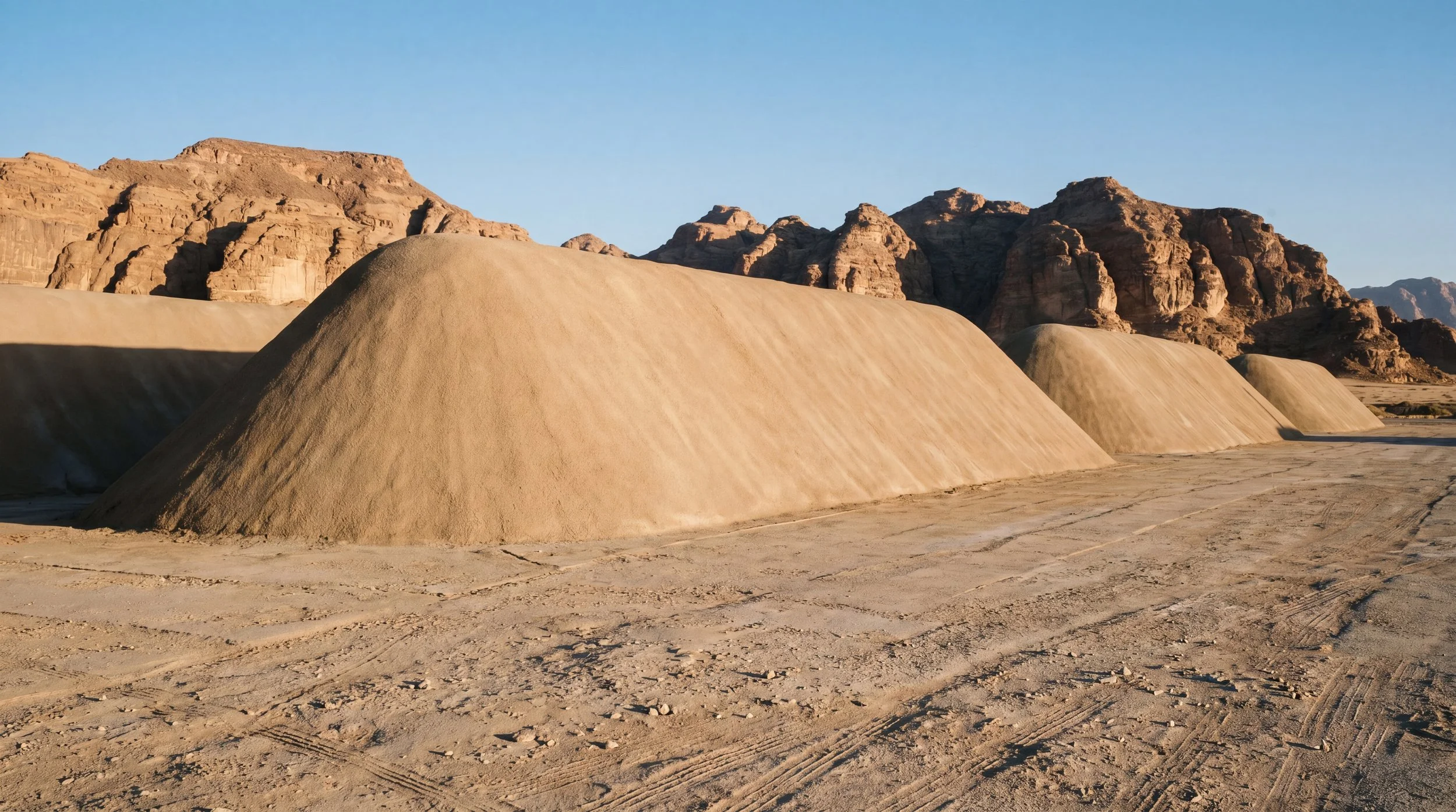
Plants already remove carbon dioxide from the air. When they burn or decompose, that carbon returns to the atmosphere. Sequest interrupts that cycle by storing dry biomass in engineered, patent-pending chambers in the world’s most hyper-arid environments.
Ancient deserts have done this for millennia.
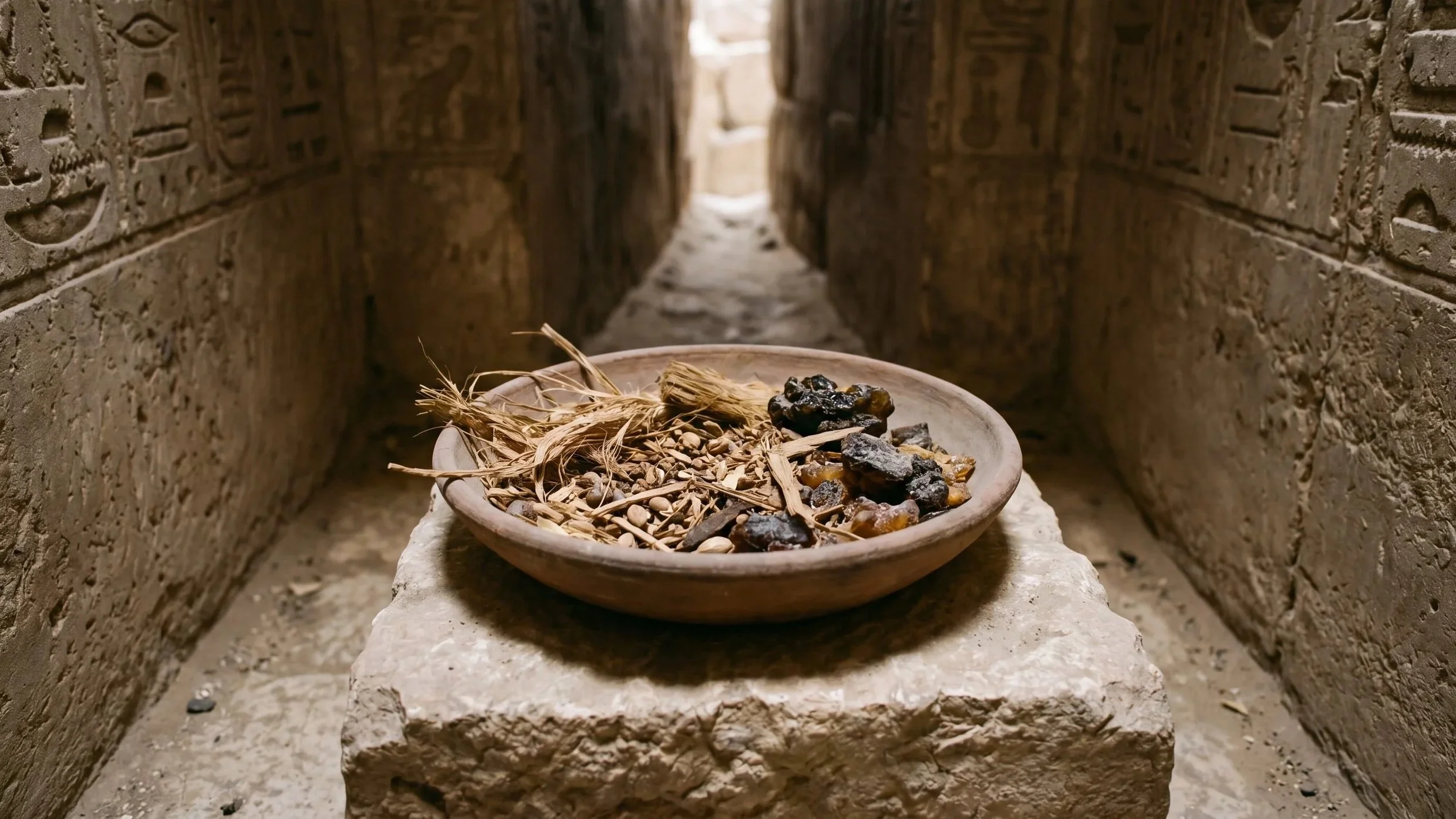
In hyper-arid regions, basic science and natural experiments show that organic matter remains intact when moisture is absent. In ancient Egyptian tombs, for example, date palm trunks, fruits, bouquets, and seeds have survived ~3,000 years without decomposing.¹
¹ Source: Tolba, M. I., Hamdy, R., Atallah, M., & Darius, F. (2024). Plant remains from the tomb of Sennedjem (TT1) in Deir el-Medina. In J. Kamrin, M. I. Khaled, & C. Leitz (Eds.), The kingdom of the mummies: Essays in memory of Ramadan B. Hussein. Supreme Council of Antiquities.
Simple science. Executed at industrial scale.
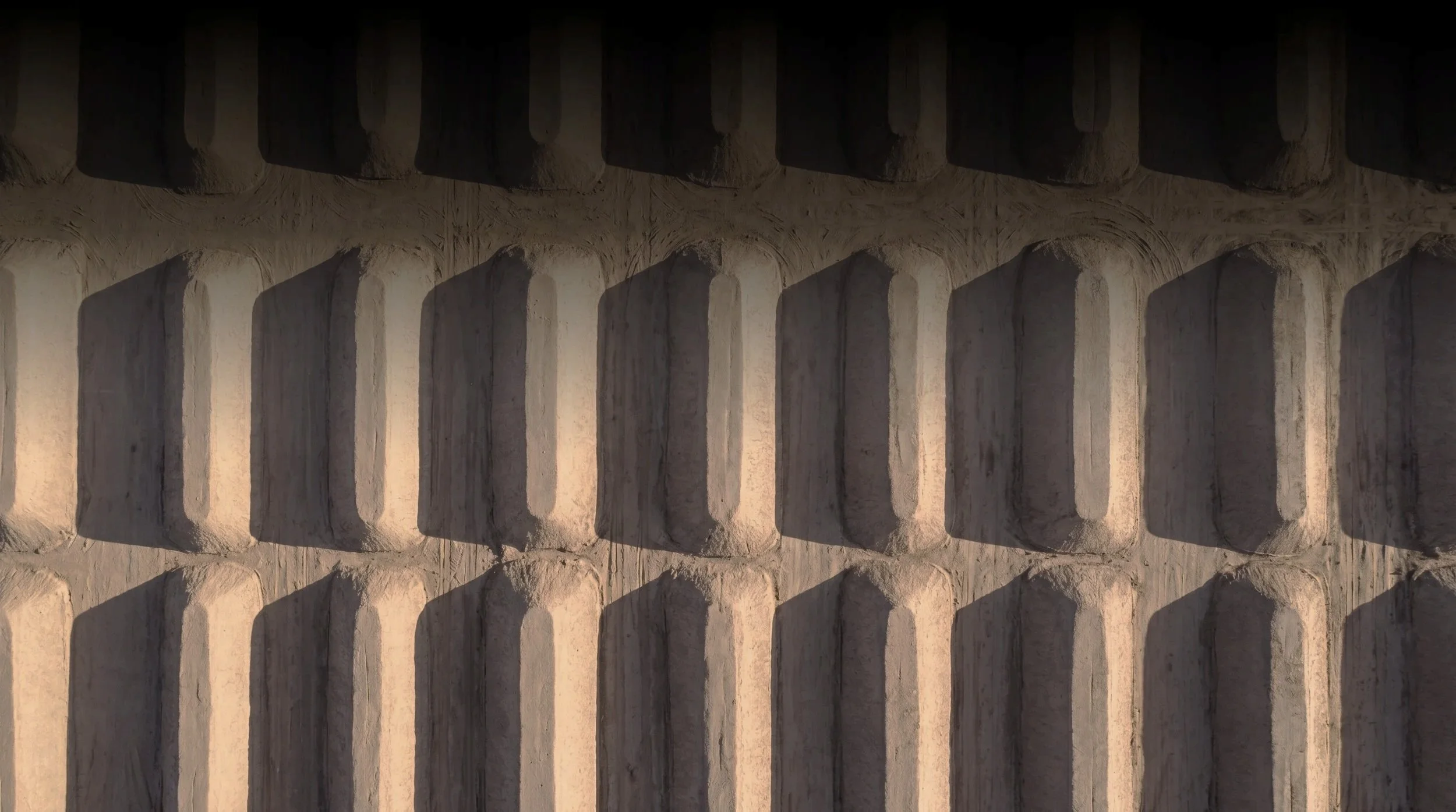
Sequest’s system uses existing industrial capabilities rather than complex reactors or energy-intensive processing. Simplicity is what makes scale possible: carbon removal that can be built, measured, financed, and replicated quickly in repeatable units.
The underlying science is well-established: breakdown by microbes and other organisms cause decomposition, but life cannot survive below water activity thresholds (minimum levels of available moisture required for life) common to all organisms. Decomposition effectively ceases if biomass is kept below the dryness level required for breakdown by even xerophilic life (organisms adapted to arid conditions).²
In our solution, the biomass is shielded from rare rain events and ambient humidity fluctuations by our cover system. Because of this, the water activity level inside the chamber equilibrates towards the average ambient relative humidity which in our environment is far below the threshold required to shut off decomposition.
² Source: Stevenson et al. (2014), “Is there a common water-activity limit for the three domains of life?”, Nature.
We build this core science into a robust delivery pipeline
1. Site selection
Hyper-arid sites are selected through geospatial screening, analysing climate variables to identify locations suited to long-term carbon storage.


2. Sourcing
Eligible agricultural biomass residues are procured with full traceability and additionality confirmed before entering the system.

3. Storage
The biomass is stored in extremely dry environments. Its carbon content is shielded by our chamber design which protects from exposure to the elements.

4. Monitoring
Storage and environmental conditions are rigorously monitored, ensuring biomass stability for 100+ years. Advanced data analytics provides granular insights.

5. Verification
All carbon removal claims are independently verified through trusted verification bodies and carbon credit registries ensuring real, audited removals.
Every part of the process is optimised by data
Advanced geospatial analysis guides where we build, computational simulation refines how we build, and real-time monitoring shows how each site performs.
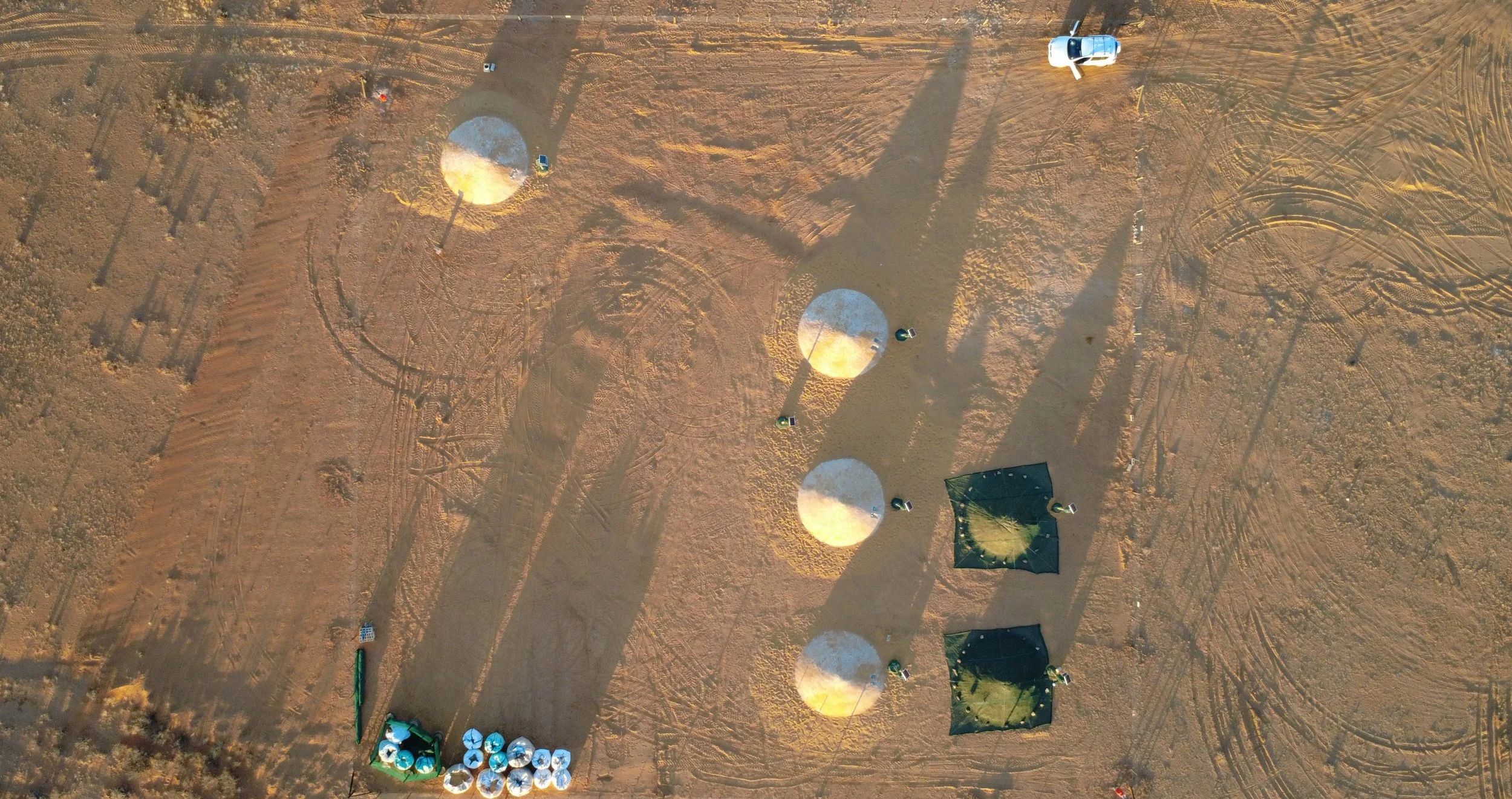
We put this into practice at our test site - iterating chamber and cover designs in the field to refine future builds.