
Why we’re storing plants in the desert
Storing plant material in the desert may sound strange, but it offers a remarkably simple way to remove carbon from the atmosphere.
To see why, start with the global push toward net zero. Hundreds of companies have pledged to reach it, which requires cutting their emissions as far as they can. Some emissions, though, are genuinely difficult to eliminate and so reductions alone rarely take a company all the way to zero. To close the gap, a company must remove an amount of carbon from the atmosphere equivalent to its residual emissions. That is what companies are paying for when they buy carbon removal.
Once the carbon is removed, it has to stay removed for a very long time to be effective. That work is called durable carbon removal. It is one of the tools we will need to slow climate change, and the industry has grown fast.
But there is a catch. Almost none of the carbon removal secured through long-term contracts has actually been removed yet. According to CDR.fyi, buyers have contracted about 49 million tonnes of carbon removal, but only about 3.3 percent has been delivered to date. Plenty of companies have promised, but far fewer have done it at material scale. Not all 49 million contracted tonnes are due yet, but current carbon removal projects face a steep operational climb to meet future commitments.
Closing that gap is the real challenge of the next decade. It is also why we’re building Sequest.
Starting with a simpler question
As we have argued elsewhere, carbon removal often rewards technological novelty, while giving too little attention to methods that can be deployed repeatedly today at low cost with familiar tools and infrastructure.
So we started with a simpler question. What is the most readily available way to remove carbon and keep it reliably stored, using skills and equipment that already exist? Our answer rests on two basic ideas.
Idea one: plants are already full of captured carbon
Plants are nature's carbon capture machines. As they grow, they pull carbon dioxide out of the air and build it into stems, leaves, and roots. When they later rot or burn, that carbon gets released back into the atmosphere.
Farms produce enormous amounts of leftover plant material: trimmings, stalks, husks, and shells. Some of it is useful and should stay where it is, feeding soil or livestock. But a lot of it has no real use - it gets burned, dumped, or left to decompose, thereby releasing its carbon back into the atmosphere and often exposing nearby communities to harmful air pollution. What if we intercepted that material first and kept its carbon locked away?
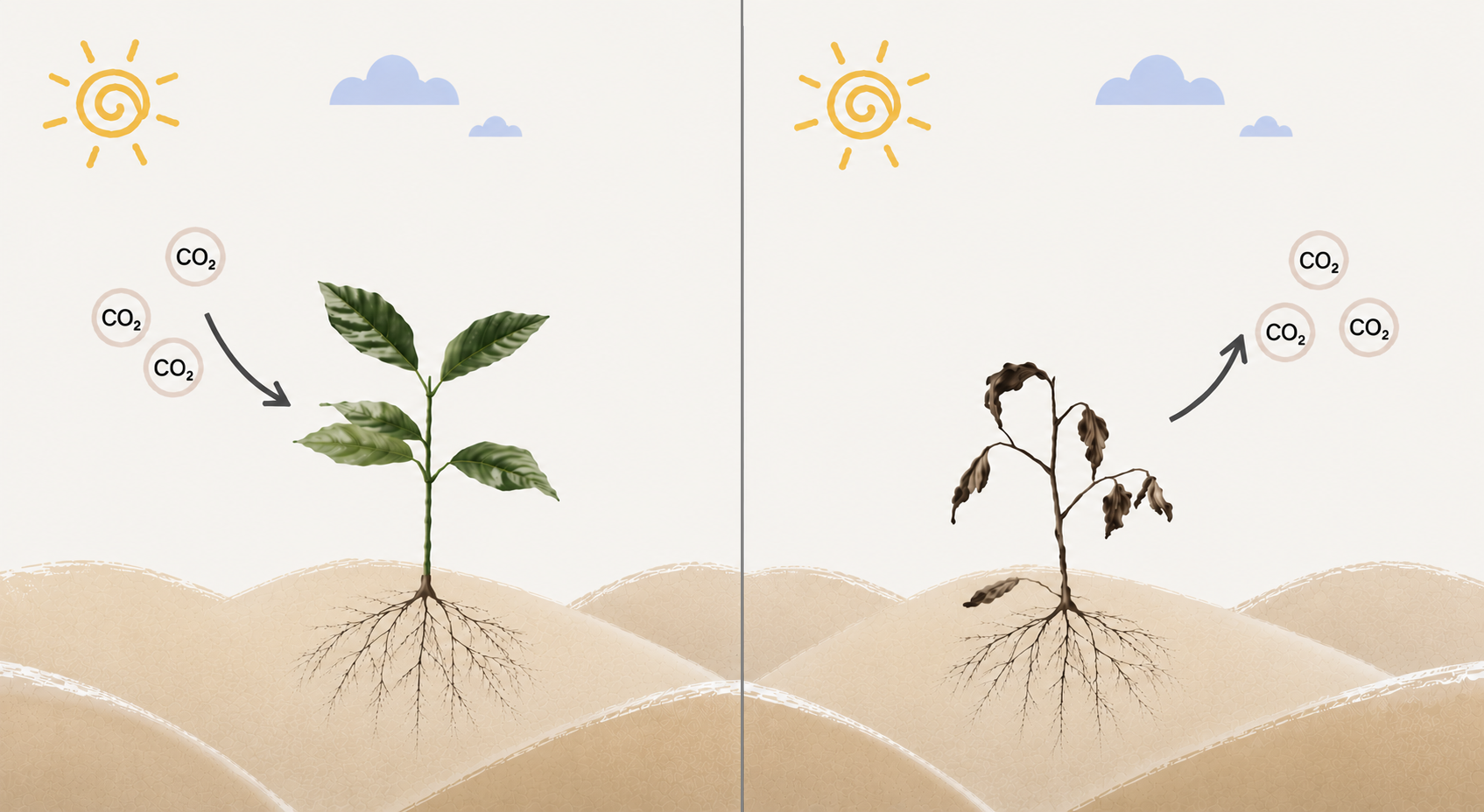
Figure 1: Carbon uptake during growth and release during decay
Idea two: dryness is one of nature's best preservatives
Decomposition needs water. The microbes that break plants down cannot survive without moisture: so take the water away, and decay effectively stops.
This is not a new discovery. It is why plants sealed in ancient Egyptian tombs have survived for thousands of years and why the desert preserves almost anything left in it (see examples here). Extremely dry places are nature's storage chambers.
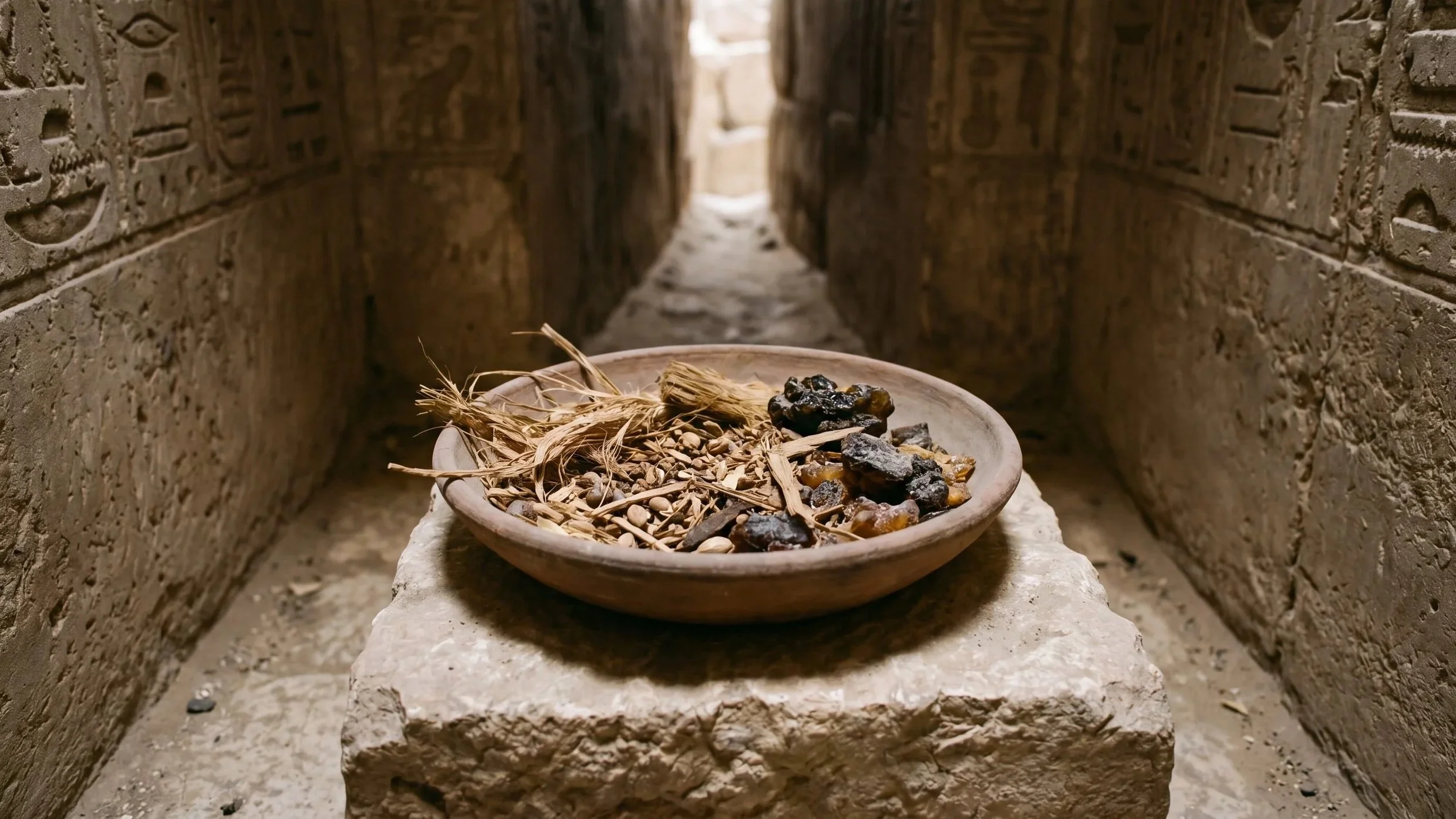
Figure 2: Extreme dryness can preserve organic matter for millennia
Idea one + two: desert carbon storage
Sequest puts these two ideas together. We take leftover plant material and store it in engineered chambers in some of the driest deserts on Earth. The desert keeps the material dry by default while our patent-pending cover system is designed to manage residual environmental risks. Sensors monitor the structures, and independent third parties verify the results. Together, these layers hold the carbon in place instead of letting it release back into the atmosphere.
The desert is not just where we build our facilities, it is part of how our storage system works.
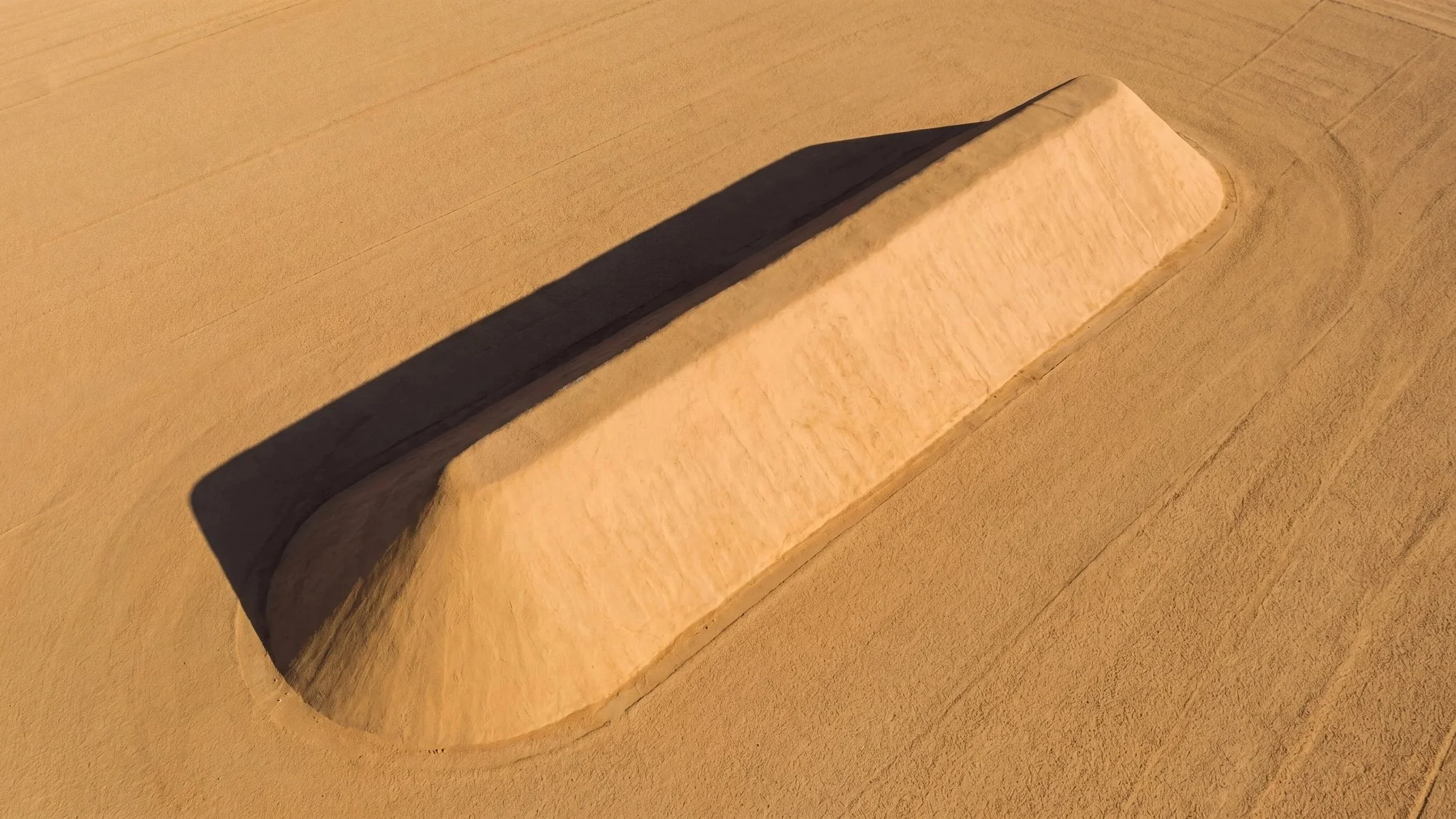
Figure 3: Rendering of Sequest’s desert carbon storage solution
Carbon removal does not have to be futuristic
Our approach can feel almost too simple, and that is the point. Investors and headlines tend to reward novelty, but the climate needs solutions that can be built now and repeated at scale.
Storing plant material in the desert can become part of the basic plumbing of carbon removal: a reliable, repeatable way to take carbon that plants have already captured and keep it stored. It sits alongside other methods, from machines that filter carbon out of the air to processes that turn carbon into rock. No single approach will be sufficient on its own, but any approach must be able to scale if it is to be effective. We have designed ours to do exactly that.
How it works, in three steps
Source leftover plant material that would otherwise decompose or burn, and that no one else has a better use for
Prepare it by drying it sufficiently and store it inside our engineered chambers in hyper-arid deserts
Monitor, maintain, and verify the storage over time using sensors and analytics
The last step is the one people tend to overlook, and it is the most important. Carbon removal needs to be measured and verified by trusted independent parties. Buyers need to know exactly how much carbon was stored, what emissions the work created, and how the site will be moinitored over the years ahead.
For our initial facility, we are working with Puro.earth, a leading independent standard for durable carbon removal. Their methodology sets the rules for what we need to measure and prove, and independent auditors check our work against them before a single credit is issued. We are proud to share that we have passed Puro.earth’s preliminary assessment under the Terrestrial Storage of Biomass methodology.
Keeping it simple keeps it affordable
Cost is the thing to keep under control, because the climate problem is enormous. A method that works in theory but stays expensive will never make a real dent.
Sequest is designed to be economical. We are not building a giant industrial plant, running a power-hungry chemical process, or waiting on a material that has not been invented yet. The work is made up of familiar tasks: handling and preparing plant material, logistics, construction, and monitoring.
These tasks still demand rigor and execution excellence, but they are known quantities. Our path to scale runs through disciplined execution, rather than waiting for a breakthrough.
Building a category
Our goal is bigger than one site. We want to establish desert carbon storage as a recognized category of durable carbon removal.
That means doing the unglamorous work: continuing to expand the science, building out the operation, earning buyer trust, and ruthlessly optimizing efficiency. It also means discipline, because not every source of plant material is suitable and very few deserts have the right conditions.
Why now
Carbon removal is shifting from promise to delivery. The next phase needs real tonnes delivered, real sites running, and real proof that the carbon stays put, all at a cost the world can afford. That is the bar we built Sequest to clear.
Carbon removal needs scale. Scale needs simplicity. And simplicity, done with rigor, can make a meaningful impact.